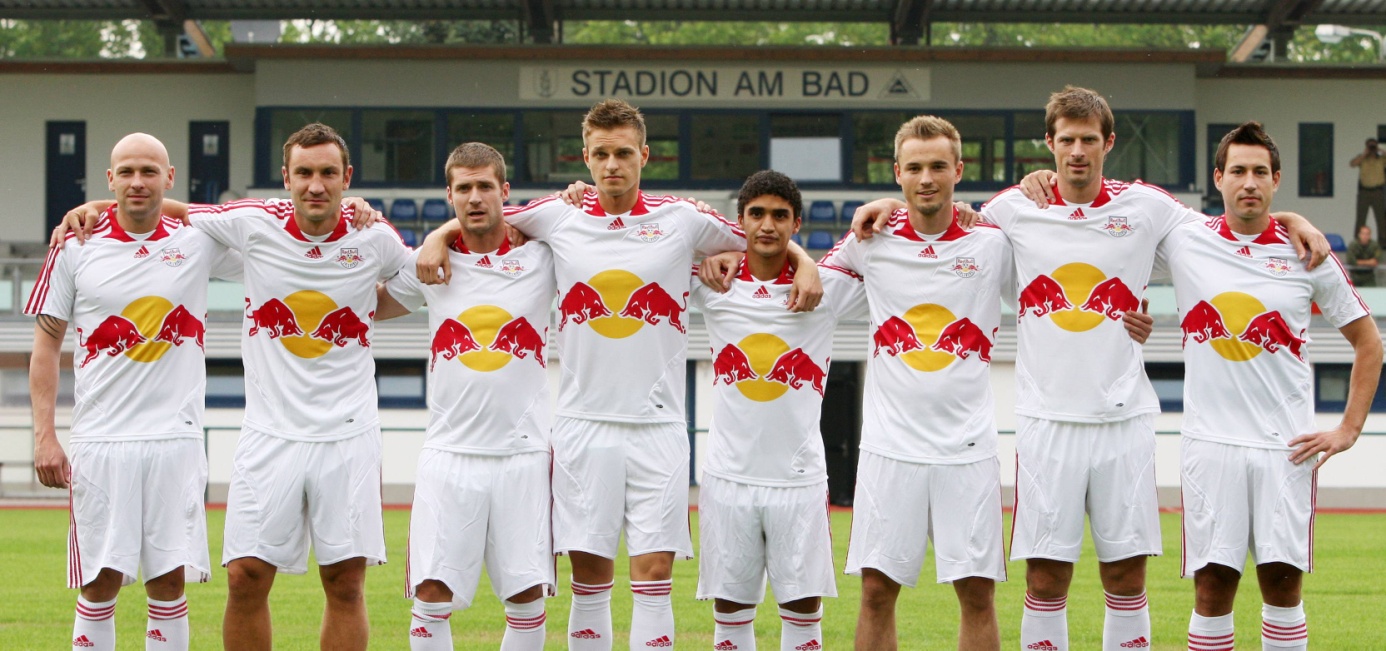
At the key moment in May 2014, between Leipzig’s final home game of the season in the 3. Liga and the final granting of the licence for the 2. Bundesliga, twelve days passed. On May 15, 2014 the DFL finally granted the “tin-can club,” as critics called it, its licence. Star lawyer Christoph Schickhardt helped.
As Ulrich Kroemer wrote in his book RB Leipzig: Aufstieg ohne Grenzen, the club bought its ticket into the football establishment by agreeing to two central conditions: changing the crest so it was more clearly separate from the Red Bull logo, and staffing leadership positions with people formally independent of the sponsor. The DFL’s own wording said that, through the binding declaration to fill its bodies in future with a majority of independent figures and to alter the logo with UEFA requirements in mind, the club had met the key requirements. Nothing now stood in the way of licensing.